
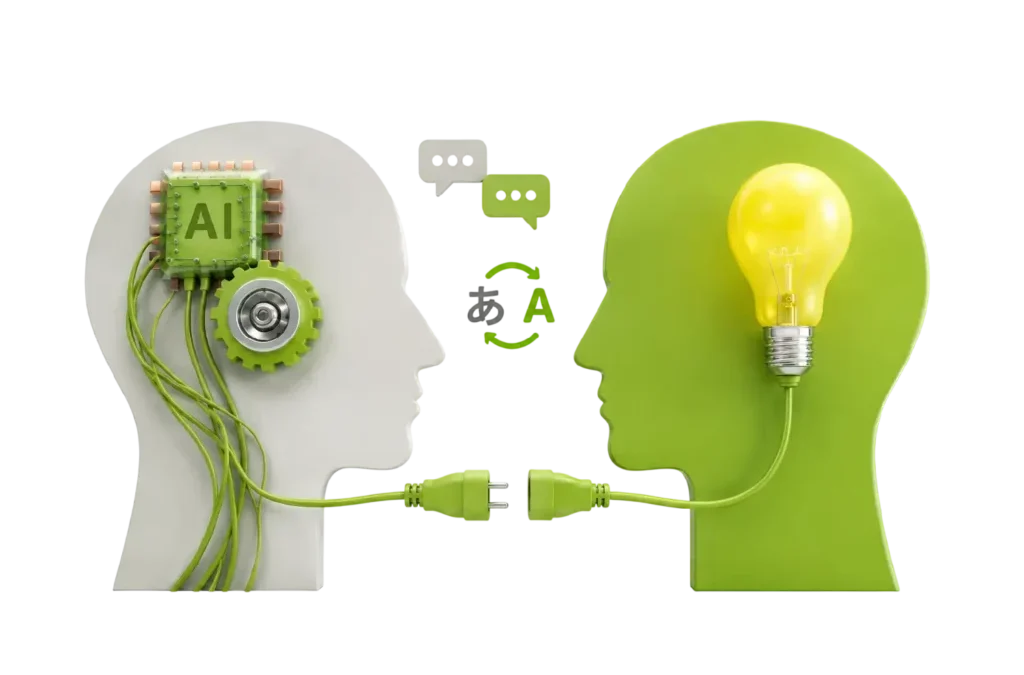
The difference between human and machine translation is important for individuals and businesses choosing the right solution for their documents. While machine tools provide quick results, professional human translation focuses on accuracy, context, and delivering a clear message that matches the original content.
Galenus Translation provides professional language solutions for clients who need reliable document translation and accurate communication. Understanding the difference between human and machine translation helps users choose the most suitable option for legal, business, medical, and official requirements.
The difference between human and machine translation
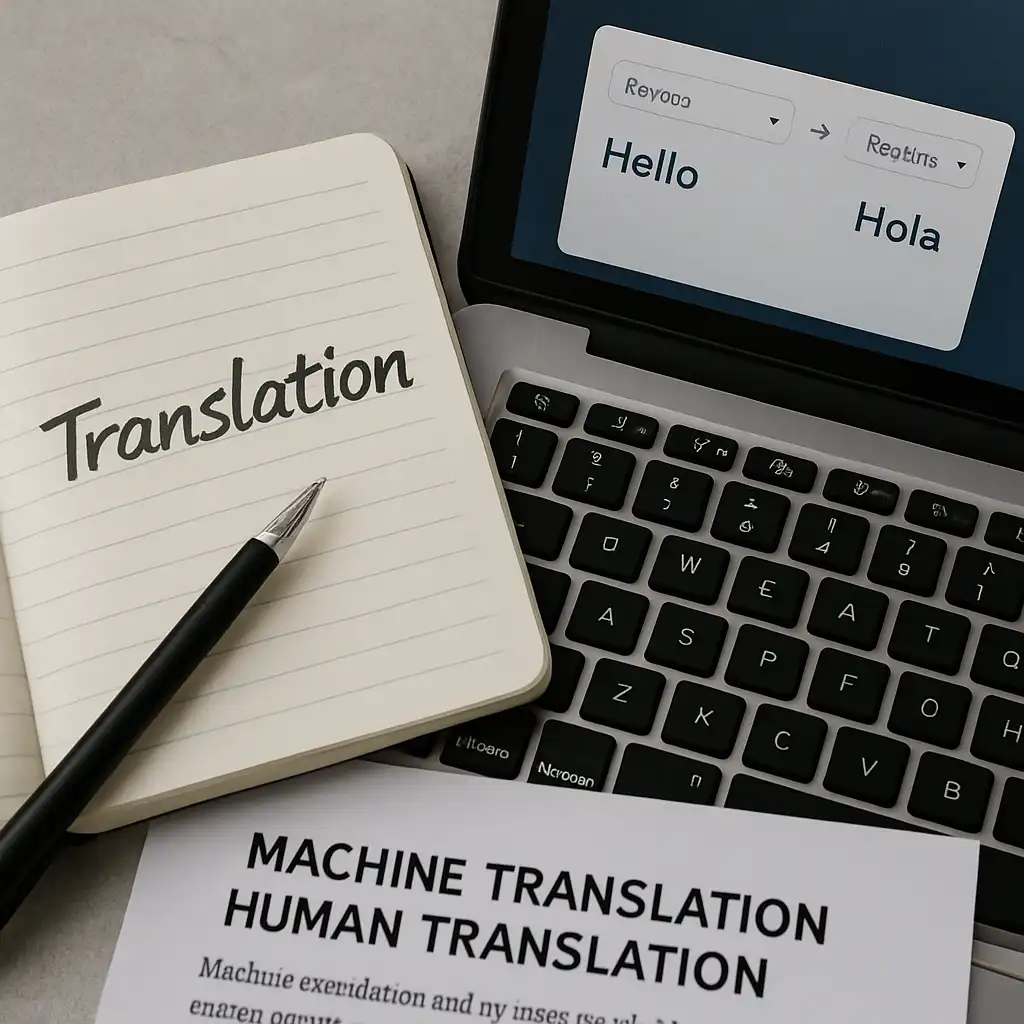
Human translation depends on the skills, experience, and understanding of professional translators. It considers context, cultural meaning, tone, and the purpose of the content to create accurate and natural translations that communicate the intended message clearly.
Machine translation uses automated systems and artificial intelligence to process text quickly based on programmed patterns and available language data. Although it can provide fast results for simple content, it may not fully understand complex meanings, specialized terms, or cultural differences.
The choice between human and machine translation depends on the document’s purpose and the required level of accuracy. Official, legal, and technical documents usually require professional human translation, while machine translation can be useful for basic understanding and informal communication.
Key advantages of professional human translation for critical documents
Professional human translation provides greater confidence when accuracy is essential. Skilled translators evaluate every detail carefully to produce clear, reliable content that supports professional and official communication.
- Preserves the original meaning without changing important details.
- Understands context, tone, and audience expectations naturally.
- Uses accurate terminology for legal, medical, and technical documents.
- Reviews grammar, formatting, and consistency before delivery.
- Reduces translation errors that may affect official acceptance or business communication.
Accuracy and context: Where machine translation falls short
The difference between human and machine translation appears clearly when comparing accuracy and context. Automated systems may miss important details that human translators understand through experience.
- Machine translation may misinterpret context, leading to inaccurate or confusing meanings.
- Idioms, cultural expressions, and tone are often translated literally instead of naturally.
- Specialized legal, medical, and technical terminology may be translated incorrectly.
- Automated systems can’t recognize the purpose or audience of every document.
- Human review helps identify errors, improve readability, and ensure professional-quality translations suitable for important documents.
When to use machine translation vs. certified human translation
Choosing the right translation method depends on the purpose of the content, required accuracy, and level of importance. The following comparison highlights when each option is more suitable.
| Comparison point | Machine translation | Certified human translation |
| Accuracy level | Suitable for basic texts and general understanding | Provides precise results based on context and expertise |
| Best usage | Quick communication and simple content | Official, legal, medical, and professional documents |
| Quality control | Depends mainly on automated systems | Includes human review and detailed corrections |
| Understanding context | May miss cultural meanings and specific expressions | Analyzes tone, purpose, and audience expectations |
How human translators handle cultural nuances and specialized terminology

Professional translation requires a deep understanding of language, culture, and industry requirements. Human translators focus on important details that automated systems may overlook.
- Adapting expressions to match the cultural background of the target audience.
- Using accurate terminology for specialized fields and professional documents.
- Maintaining the original tone, message, and communication style.
- Reviewing translated content to ensure clarity, consistency, and natural language.
Why official embassies and legal bodies require human-certified translation
Official authorities require accurate and verified documents to complete legal and administrative procedures. The difference between human and machine translation becomes clear when dealing with embassy and legal requirements, as human translators provide accuracy, certification, and proper handling of sensitive documents.
Certified human translation ensures that legal papers, certificates, and official records maintain their original meaning and meet institutional standards. Professional review helps reduce errors and supports smoother acceptance processes for individuals and businesses submitting important documents.
The role of post-editing: Combining machine speed with human expertise
Post-editing combines the efficiency of automated tools with the accuracy of professional review. The difference between human and machine translation appears during this stage, as human translators improve machine-generated content by correcting errors and adjusting terminology according to context.
This process helps maintain quality while saving time, especially for large translation projects. Experienced translators review sentence structure, specialized terms, and overall meaning to ensure that the final content is clear, accurate, and suitable for professional use.
Cost, quality, and speed: Choosing the right translation approach
Choosing the right translation method requires balancing speed, cost, and accuracy. The difference between human and machine translation helps clients understand why professional services are often preferred for important documents that require reliability and high-quality results.
Galenus Translation provides professional translation solutions designed to meet different client needs. The company combines language expertise, careful review, and quality standards to deliver accurate documents for business, legal, and official purposes. Contact Galenus Translation today at +201101172003 | +201000012503 | +201101001427 to receive a reliable translation service tailored to your requirements.
FAQs
What is the main difference between human and machine translation?
The difference between human and machine translation is that human translators understand context, culture, and specialized terminology, while machine systems depend on automated processing and may miss important details.
Why is machine translation not accepted by official authorities and embassies?
Machine translation isn’t usually accepted because it lacks professional verification, certification, and human review required for official documents submitted to authorities and embassies.
How do human translators ensure accuracy in legal and medical documents?
Human translators ensure accuracy by reviewing terminology, understanding document context, and applying specialized knowledge to maintain clear and reliable legal or medical translations.
When is it acceptable to use machine translation for business or personal use?
Machine translation can be acceptable for simple communication, quick drafts, and general understanding when high accuracy, confidentiality, or official approval isn’t required.
Understanding the difference between human and machine translation helps clients choose accurate solutions for important documents. Galenus Translation provides professional services that combine expertise, quality, and reliability to support business, legal, and official translation requirements.